A World Without Work

April 7, 2026
Today’s Topic

Should we fully automate most economically valuable work?

  • I will share some examples of automation.
  • Full class pros and cons brainstorm.
  • We will look at an argument against automation.
  • We will divide into groups to discuss the argument.

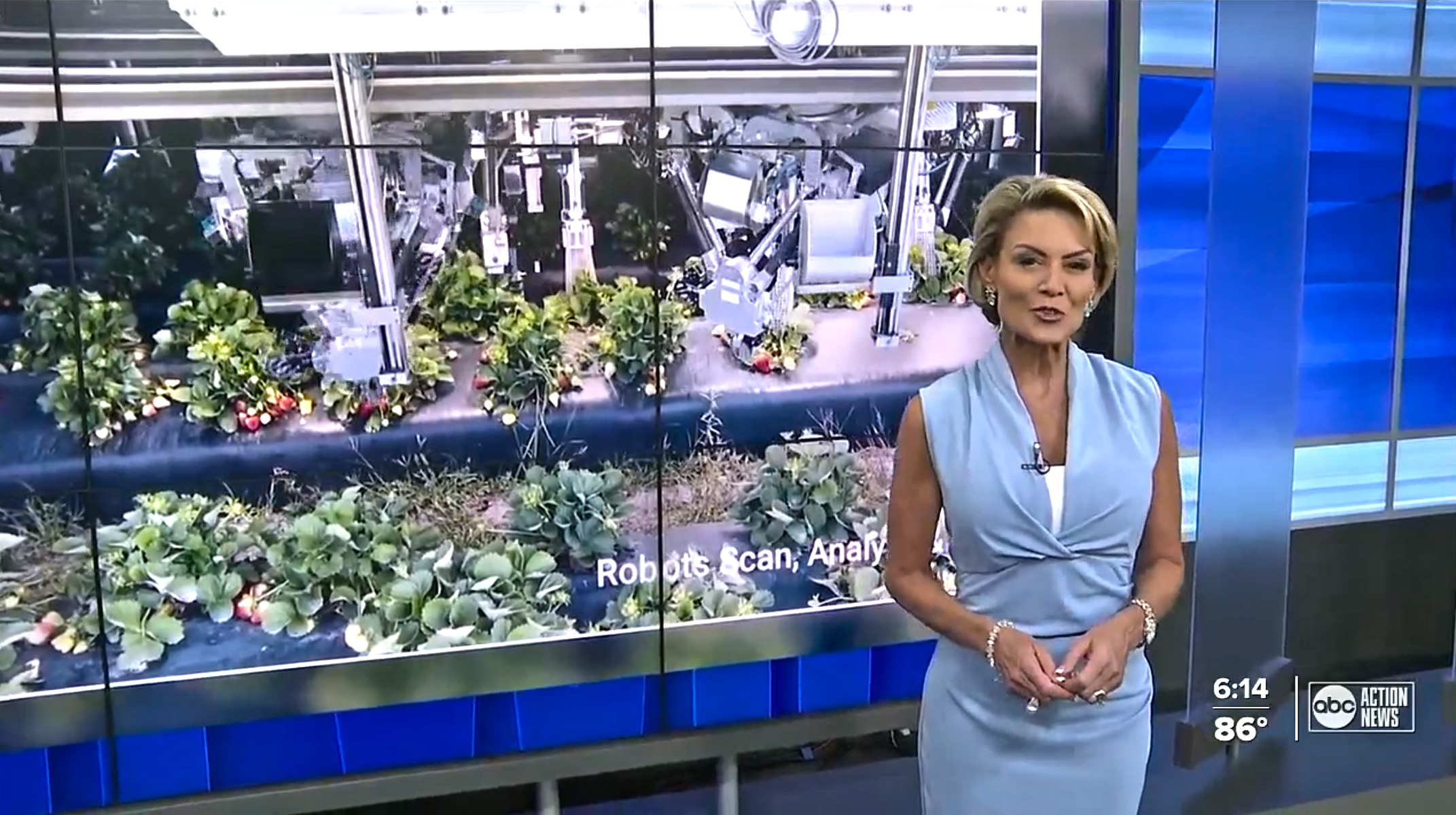
ABC News (May 2025) Berry Picking Robots: Wish Farms is going all in on AI and automation

John Deere now offers fully autonomous farming equipment

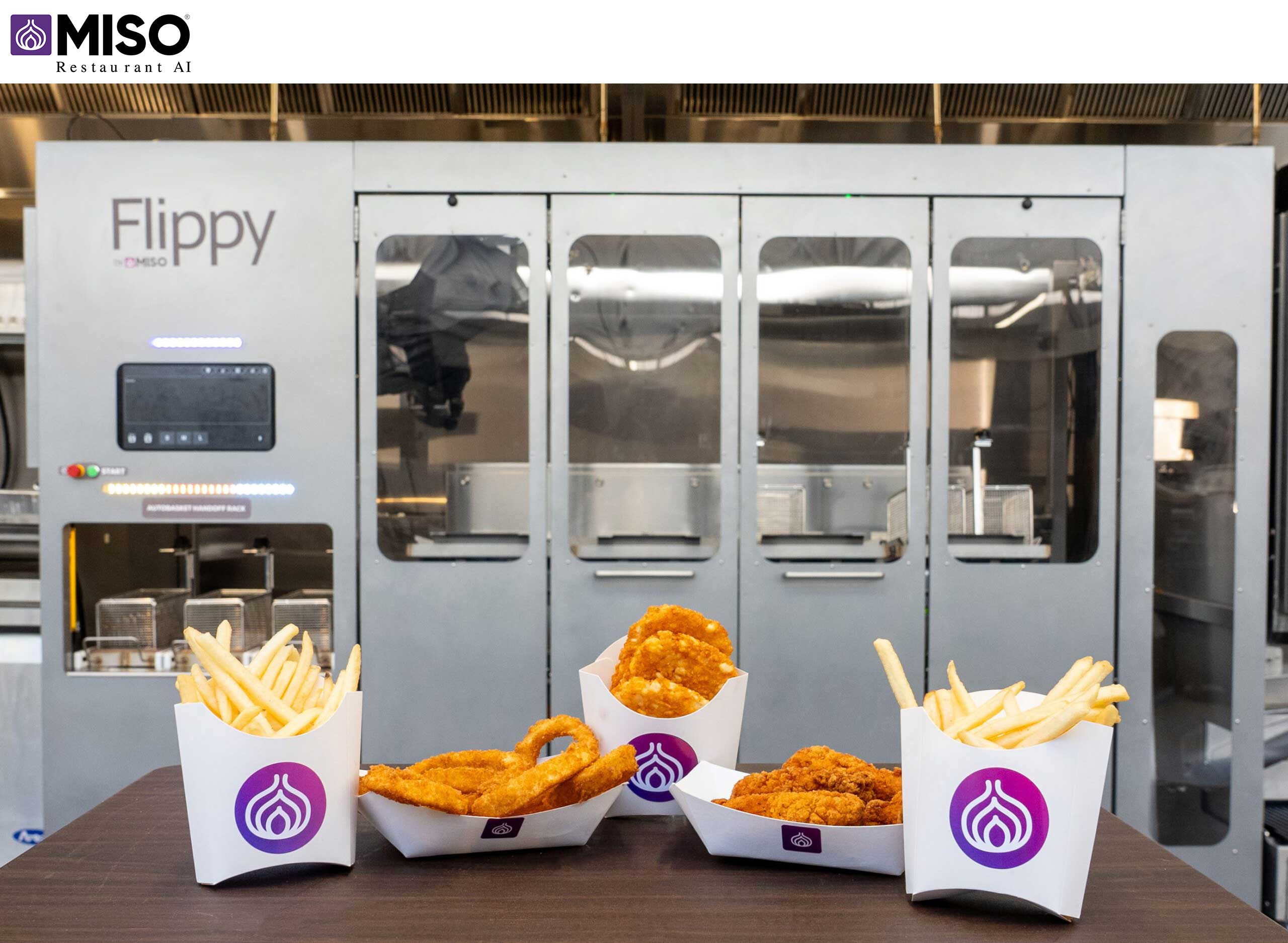
Fully automated fryer from Miso Robotics

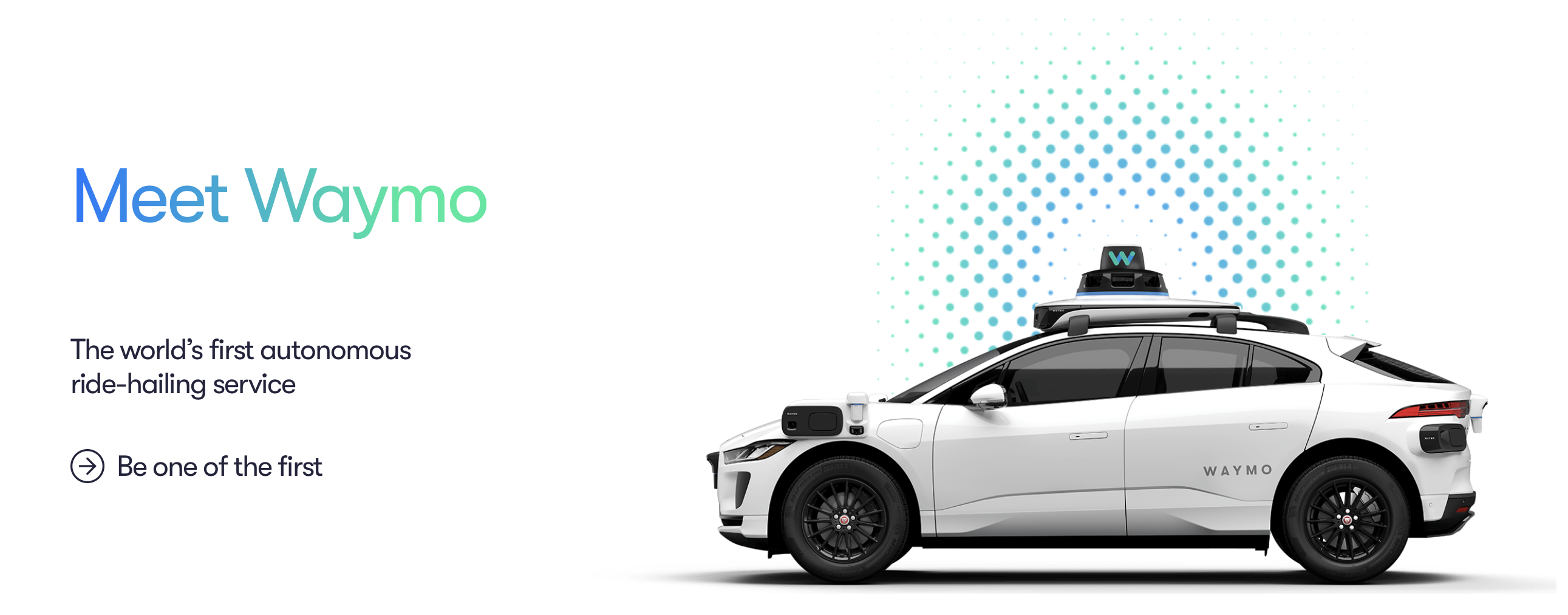
Waymo robo cab

In 2025, a team from John Hopkins trained a robot to perform a lengthy phase of a gallbladder removal without human help.
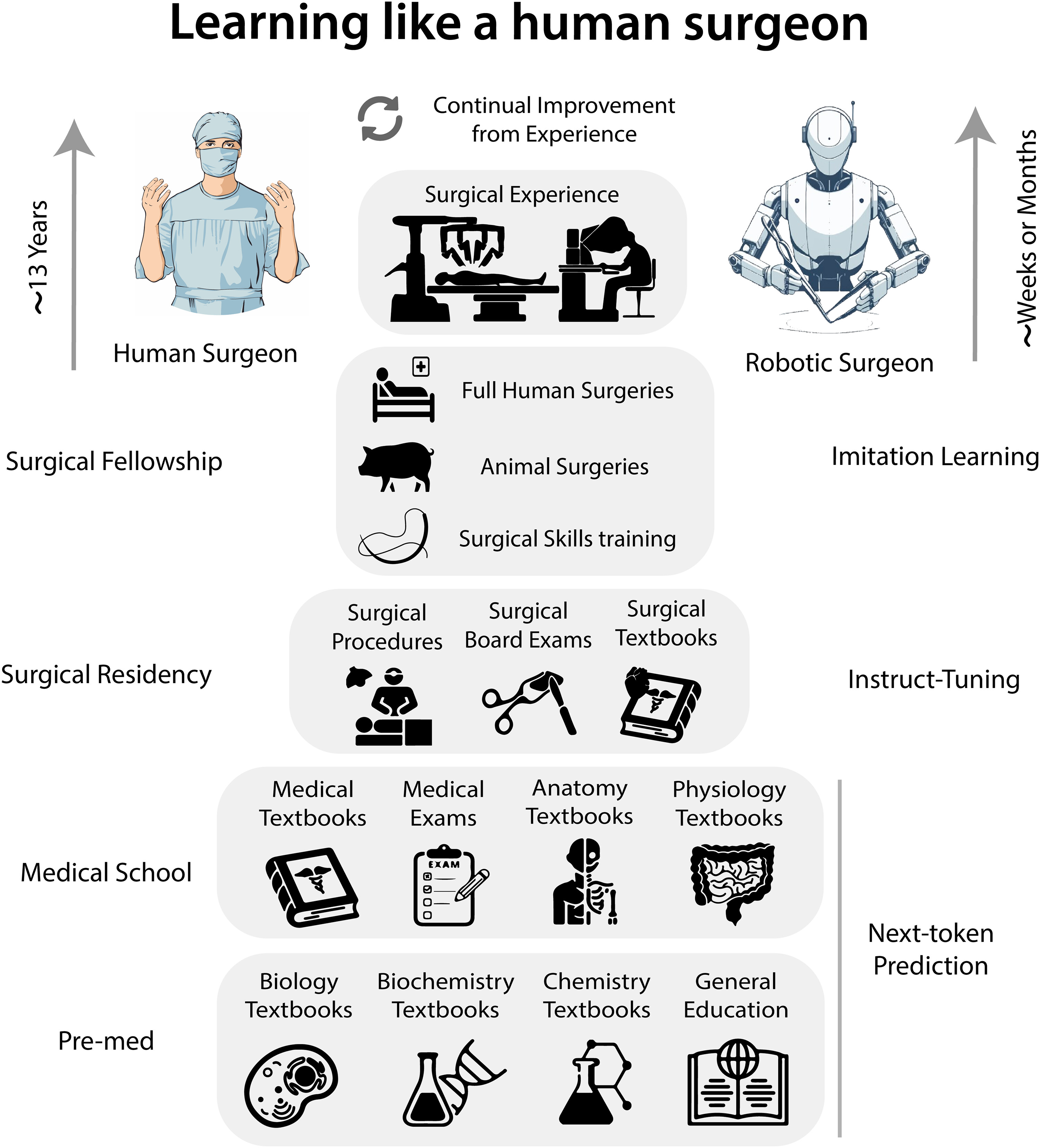

A team from John Hopkins recently trained a robot to perform a lengthy phase of a gallbladder removal without human help.
ChatGPT Health

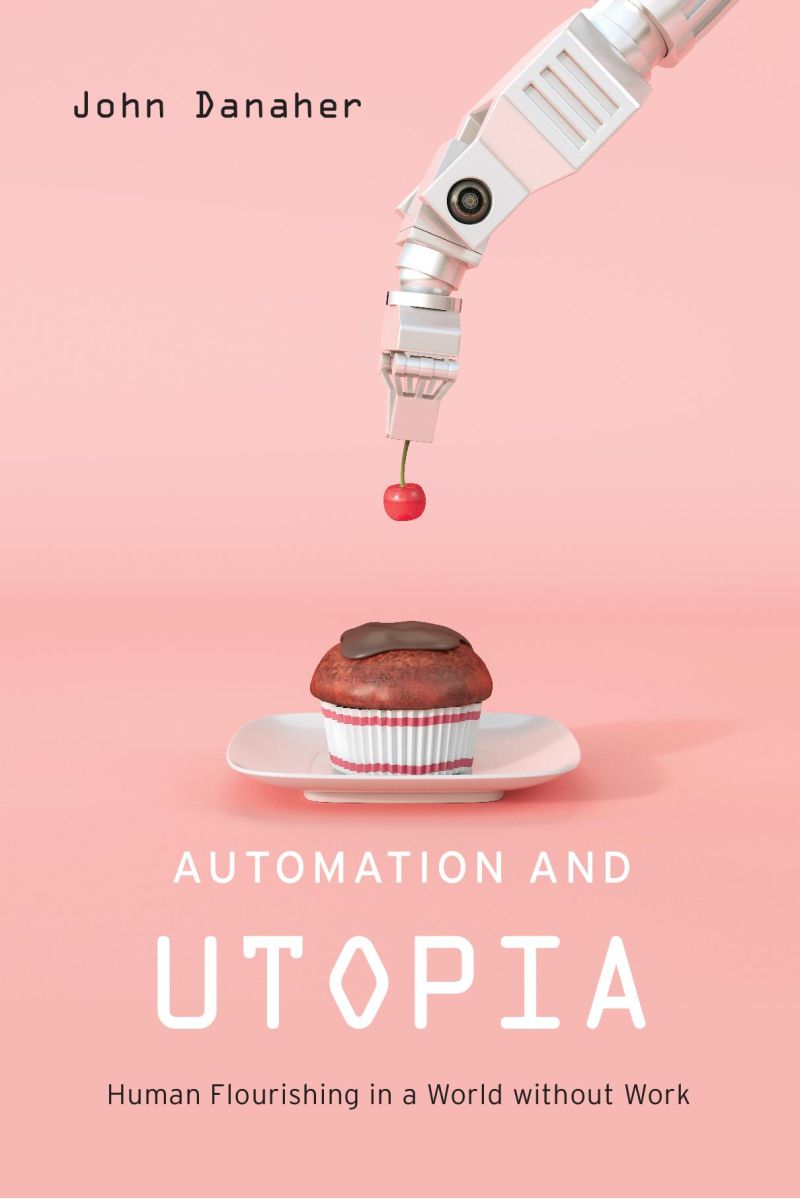
Automation and Utopia book cover

 
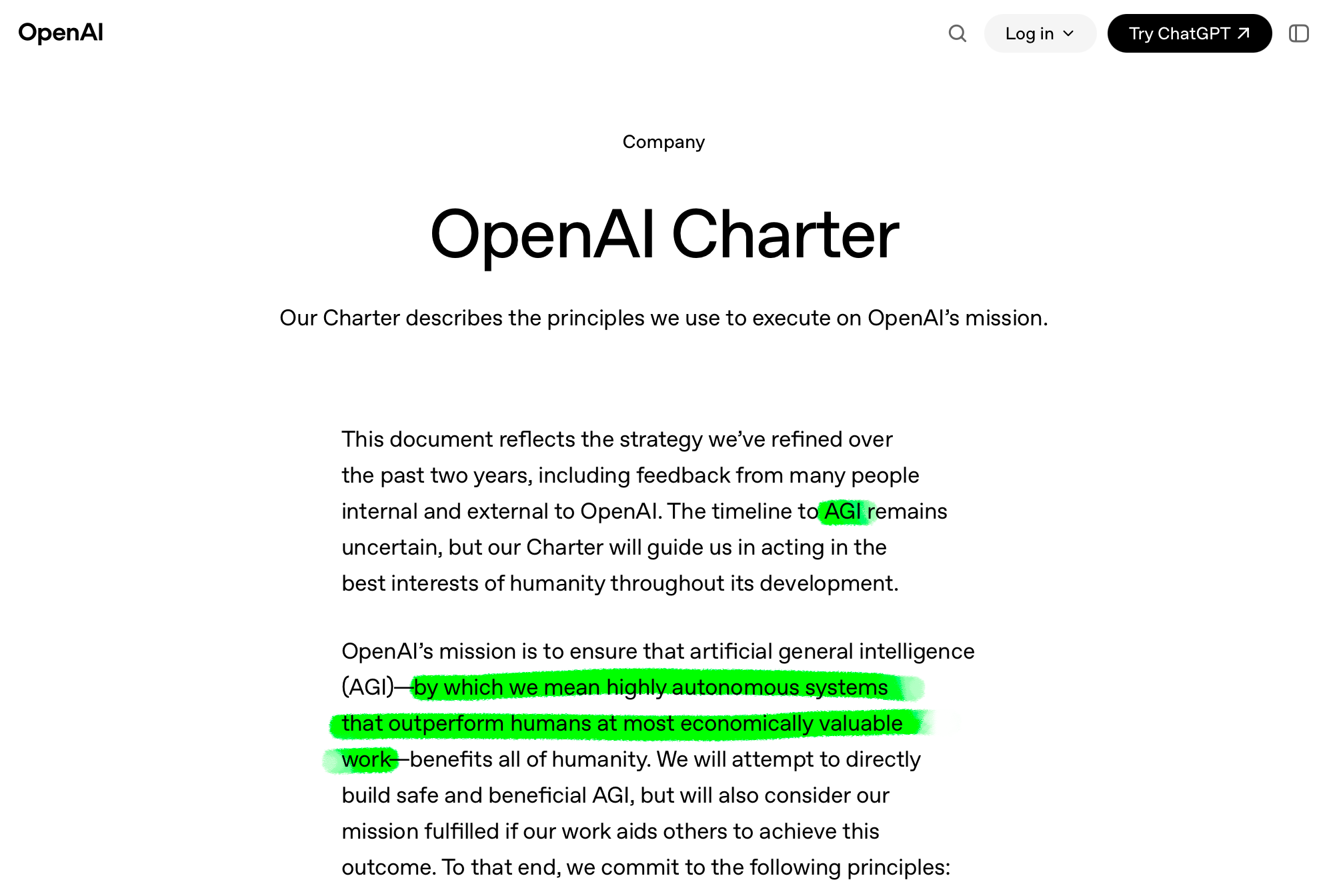
Work: Any activity (physical, cognitive, emotional etc.) performed in exchange for an economic reward, or in the ultimate hope of receiving an economic reward. (p. 28)

Pros and Cons


a. We should fully automate most economically valuable work because …

  • Work is often harmful: stress/anxiety, dominating influence, “temporal colonization”
  • Increased efficiency and safety: fewer errors/accidents; better outcomes
  • Abundance: cheaper goods/services; higher baseline standard of living
  • Free time: More time for leisure, family, friends, hobbies, creative pursuits

b. We should NOT fully automate most economically valuable work because …

  • Deprivation problem: if income is tied to work, mass unemployment risks poverty
  • Power injustice: owners of machines may capture most benefits; inequality increase
  • Meaning and purpose: many people find identity and pride through work
  • Increased Dependency: loss of skills, increased passivity; vulnerability if systems fail
  • Severance worry: less connection between effort and outcomes

The WALL:E Objection

1.
If we automate most economically valuable work, then it will be very easy for us to satisfy pleasurable and immediate desires (e.g., food and entertainment).
2.
If it is very easy for us to satisfy pleasurable and immediate desires, then we will become lazy and stupid.
3.
If we become lazy and stupid, then we cannot flourish.
∴ 4.
If we automate most economically valuable work, then we cannot flourish.


See pages 94–95 of John Danaher, Automation and Utopia: Human Flourishing in a World without Work (Harvard University Press, 2019), https://doi.org/10.2307/j.ctvn5txpc.

Sources

Danaher, John. Automation and Utopia: Human Flourishing in a World Without Work. Harvard University Press, 2019. https://doi.org/10.2307/j.ctvn5txpc.
Schmidgall, Samuel, Justin D. Opfermann, Ji Woong Kim, and Axel Krieger. “Will Your Next Surgeon Be a Robot? Autonomy and AI in Robotic Surgery.” Science Robotics 10, no. 104 (2025): eadt0187. https://doi.org/10.1126/scirobotics.adt0187.